
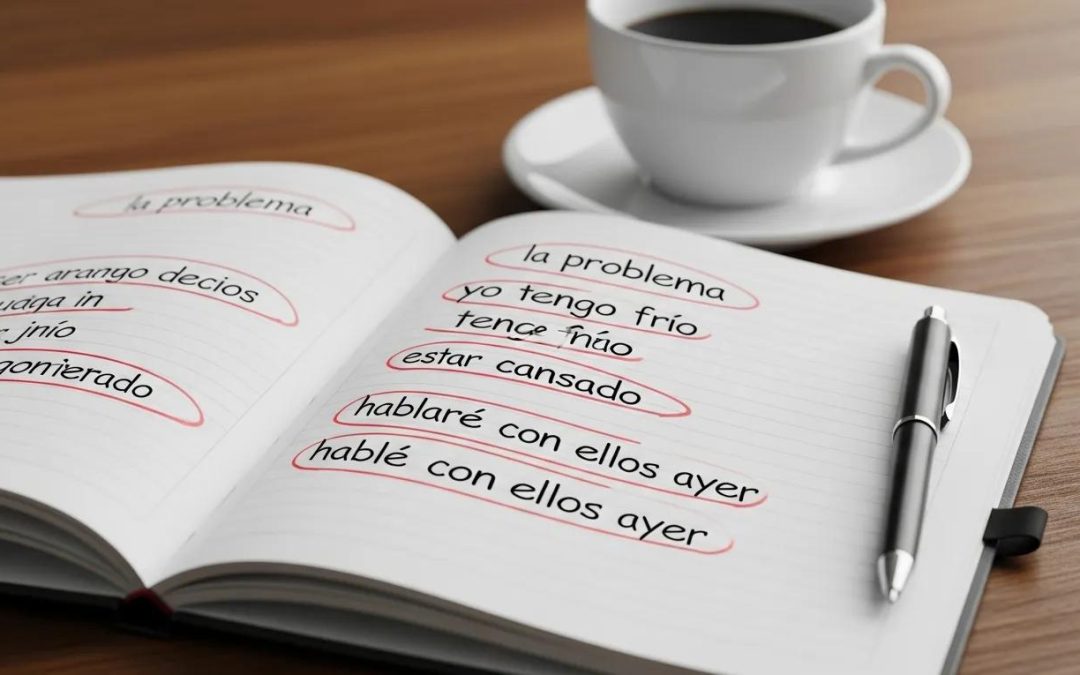
Master Spanish Grammar With These Essential Tips

Mastering Spanish grammar is a crucial step for anyone looking to communicate effectively in the language. Understanding the rules of grammar not only enhances your ability to construct sentences but also boosts your confidence in speaking. This article will provide essential tips for mastering Spanish grammar, focusing on the unique challenges faced by beginners and older learners. You will learn about basic grammar rules, effective verb conjugation strategies, common mistakes to avoid, and practical exercises to build your confidence. By the end, you will have a solid foundation to improve your Spanish language skills.
It’s important to acknowledge that language learning resources often overlook the specific needs and learning styles of older adults, creating a gap in tailored support.
Spanish Language Learning for Seniors: Unique Needs & Resources
Most language learning materials primarily cater to the psychological needs of children and young adults, overlooking the unique requirements of older learners. This disparity leaves a gap in resources tailored for the elderly, who have different learning paces, cognitive strengths, and motivations. Addressing this imbalance could make language learning more accessible and enjoyable for seniors, fostering intellectual growth and social connections in their golden years.
TEACHING SPANISH AS A FOREIGN LANGUAGE IN ADULT LEARNERS 65+, L Gazizova, 2024
What Are the Basic Spanish Grammar Rules Every Learner Should Know?
Spanish grammar is built on a set of fundamental rules that govern sentence structure, verb conjugation, and the use of pronouns and articles. Understanding these rules is essential for effective communication. The importance of grammar in learning Spanish cannot be overstated, as it provides the framework for constructing meaningful sentences and expressing thoughts clearly.
How Do Spanish Sentence Structures Differ From English?
Spanish sentence structures often differ significantly from English. For instance, while English typically follows a Subject-Verb-Object (SVO) order, Spanish can be more flexible. Common patterns include:
These structural differences are not merely superficial; they reflect distinct cognitive processing strategies employed by speakers of each language.
Spanish vs. English Sentence Processing Strategies for Learners
Reading times indicated that Spanish- and English-speaking subjects employ different processing strategies. Results of the comprehension tasks indicated that Spanish-but not English-speaking subjects understood self-embedded sentences with two subordinate clauses. These results are discussed in terms of the relative importance of the clause as a perceptual unit in the two languages, and the implications of the differences in comprehension for theories of sentence processing.
Sentence processing strategies in Spanish and English, 1973
- Subject-Verb-Object (SVO): “Yo como manzanas” (I eat apples).
- Verb-Subject-Object (VSO): “Come yo manzanas” (Eats I apples).
- Object-Verb-Subject (OVS): “Manzanas come yo” (Apples eat I).
These variations can lead to different emphases in sentences, making it essential for learners to grasp the flexibility of Spanish syntax.
Which Pronouns and Articles Are Essential in Spanish Grammar?
In Spanish, pronouns and articles play a vital role in sentence construction. Essential pronouns include:
- Yo (I)
- Tú (you, informal)
- Él/Ella (he/she)
- Nosotros (we)
- Ellos (they)
Articles are also crucial, with definite articles (“el”, “la”) and indefinite articles (“un”, “una”) determining the gender and number of nouns. For example, “el libro” (the book) is masculine, while “la mesa” (the table) is feminine. Mastering these elements is key to forming correct sentences in Spanish.
How Can You Master Spanish Verb Conjugation Effectively?
Verb conjugation is one of the most challenging aspects of Spanish grammar. It involves changing the verb form to reflect the subject, tense, and mood. Understanding the importance of verb conjugation is essential for effective communication, as it allows you to express actions accurately.
What Are the Key Spanish Verb Tenses and Their Uses?
Spanish has several key verb tenses, each serving a specific purpose:
- Present Tense: Used for actions happening now (e.g., “Yo hablo” – I speak).
- Preterite Tense: Used for completed actions in the past (e.g., “Yo hablé” – I spoke).
- Imperfect Tense: Used for ongoing actions in the past (e.g., “Yo hablaba” – I was speaking).
- Future Tense: Used for actions that will happen (e.g., “Yo hablaré” – I will speak).
Each tense has its own set of conjugation rules, making it essential to practice regularly.
Which Tips and Tables Help Simplify Spanish Verb Conjugations?
To simplify Spanish verb conjugations, consider using the following tips:
- Practice with Conjugation Tables: Create or use existing tables that outline the conjugation patterns for regular and irregular verbs.
- Use Mnemonics: Develop memory aids to help remember the conjugation rules for different tenses.
- Engage in Regular Practice: Consistent practice through writing and speaking exercises can reinforce your understanding of verb forms.
For those looking to deepen their understanding of verb conjugation, Hello To Spanish offers online courses that provide detailed lessons on this topic, available as group or private sessions.
What Are Common Spanish Grammar Mistakes and How Can You Avoid Them?
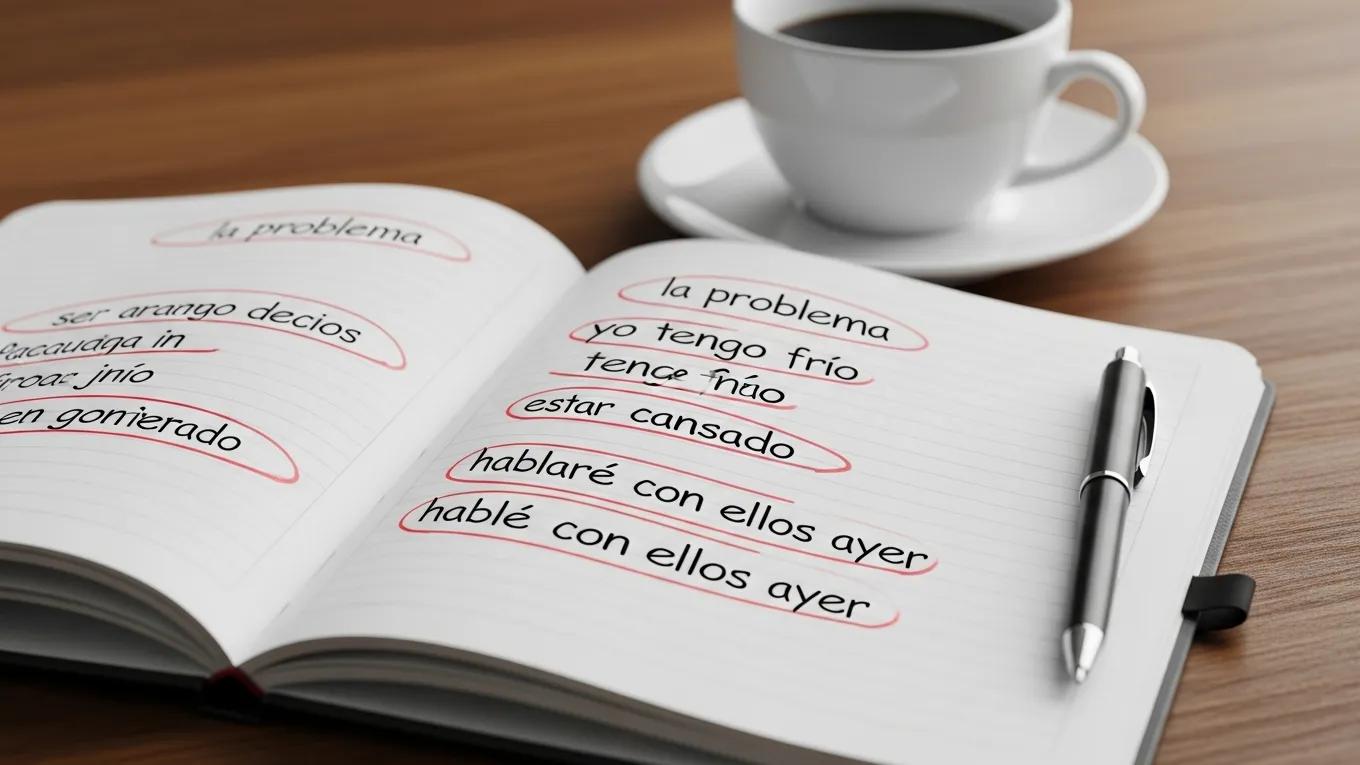
Even experienced learners can make common mistakes in Spanish grammar. Identifying these errors is the first step toward improvement.
Which Errors Do Beginners Often Make in Spanish Grammar?
Common errors include:
- Gender Agreement: Failing to match nouns with the correct articles (e.g., saying “el casa” instead of “la casa”).
- Verb Conjugation Mistakes: Incorrectly conjugating verbs based on the subject (e.g., using “tú hablo” instead of “tú hablas”).
- Misplacing Adjectives: In Spanish, adjectives typically follow nouns, which can lead to confusion for English speakers.
How Can Practical Exercises Help Prevent These Mistakes?
Practical exercises are essential for reinforcing grammar rules. Consider the following types of exercises:
- Fill-in-the-Blank Activities: These help learners practice verb conjugations and article usage in context.
- Sentence Rewriting: Rewrite sentences to correct grammatical errors, reinforcing the correct structures.
- Speaking Drills: Engage in conversations that focus on using correct grammar in real-time.
By incorporating these exercises into your study routine, you can significantly reduce the likelihood of making common mistakes.
How Do Practical Spanish Grammar Exercises Build Confidence in Speaking?
Building confidence in speaking Spanish often comes from consistent practice and exposure to the language. Practical exercises can help learners feel more comfortable using their skills in real-life situations.
What Interactive Exercises Are Best for Beginners and Retirees?
For beginners and retirees, interactive exercises can be particularly beneficial. Some effective options include:
- Language Exchange Programs: Pairing with a native Spanish speaker for conversation practice.
- Online Quizzes and Games: Engaging in fun activities that reinforce grammar rules and vocabulary.
- Role-Playing Scenarios: Practicing common conversational situations, such as ordering food or asking for directions.
How Does Confidence Impact Mastery of Spanish Grammar?
Confidence plays a crucial role in language learning. When learners feel assured in their abilities, they are more likely to practice speaking and writing, which reinforces their grammar skills. Building confidence can be achieved through positive reinforcement, regular practice, and supportive learning environments.
In conclusion, mastering Spanish grammar requires understanding the basic rules, effective verb conjugation, and avoiding common mistakes. By engaging in practical exercises and building confidence, learners can significantly enhance their Spanish language skills. For those interested in structured learning, Hello To Spanish offers a variety of online courses designed to help you master these essential grammar concepts.