

Master Real-Life Conversational Spanish Scenarios Today
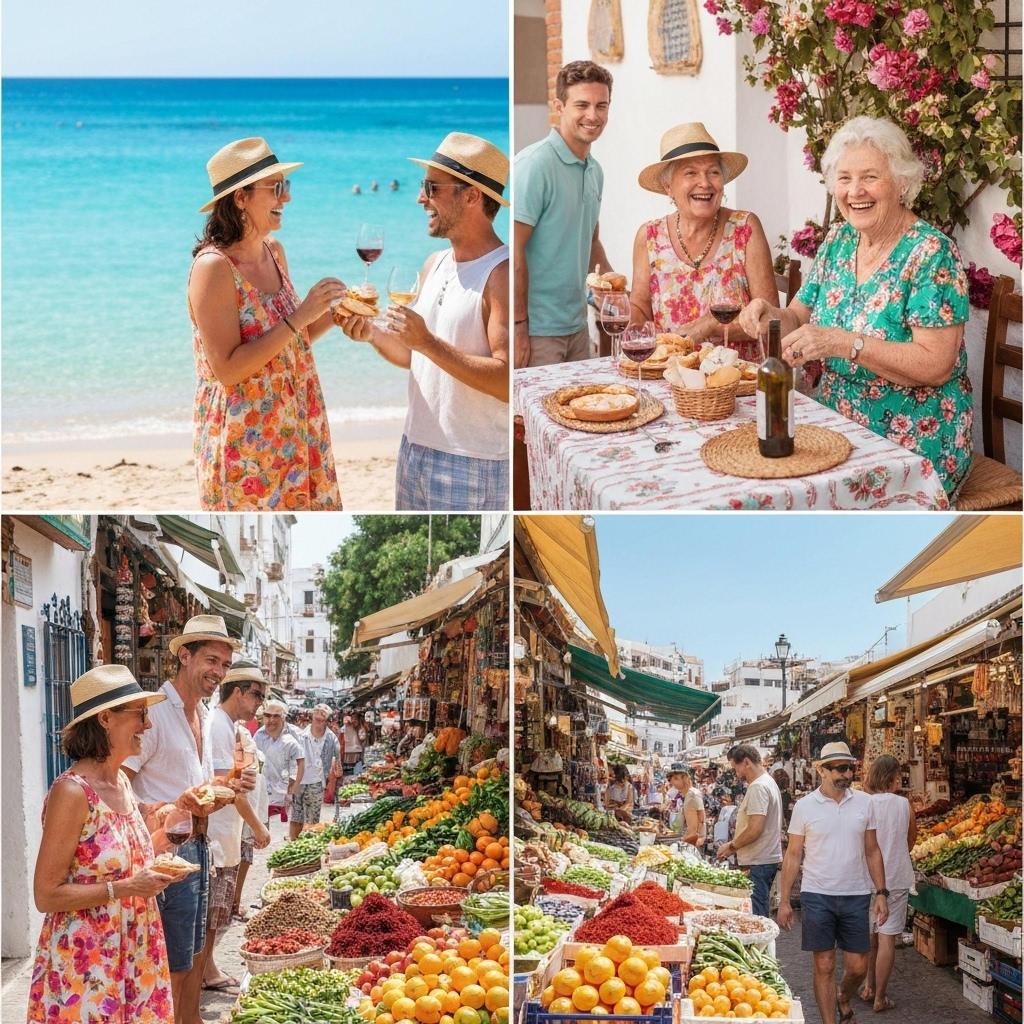
Mastering conversational Spanish is essential for anyone looking to engage meaningfully in Spanish-speaking environments. This article will guide you through practical Spanish phrases that are vital for real-life scenarios, enhancing your confidence in speaking. Whether you’re a beginner, a traveler, or someone looking to improve your daily interactions, understanding these phrases will significantly boost your conversational skills. We will explore common greetings, essential travel phrases, and techniques to practice speaking effectively. By the end of this article, you will be equipped with the tools to navigate various situations in Spanish confidently.
How Can Beginners Start Using Common Spanish Greetings and Introductions?
Common Spanish greetings and introductions form the foundation of effective communication. These phrases not only help you initiate conversations but also set a friendly tone. Understanding the cultural context behind these greetings can enhance your interactions, making them more meaningful. For beginners, mastering a few key phrases can significantly ease the anxiety of speaking a new language.
What Are Essential Conversational Spanish Phrases for First Encounters?
When meeting someone for the first time, using the right phrases can create a positive impression. Here are some essential phrases:
- Hola (Hello): A simple and friendly greeting.
- ¿Cómo estás? (How are you?): A common way to inquire about someone’s well-being.
- Me llamo [Your Name] (My name is [Your Name]): Introduce yourself confidently.
These phrases are not only useful but also help establish rapport with Spanish speakers. Practicing these can make you feel more comfortable in social settings.
How Do You Practice Basic Spanish Speaking Online Effectively?
Practicing Spanish speaking online can be both fun and effective. Here are some methods to enhance your learning experience:
- Language Exchange Platforms: Websites like Tandem or HelloTalk connect you with native speakers for conversation practice.
- Online Courses: Enroll in interactive courses that focus on speaking skills, such as those offered by Hello To Spanish.
- Video Calls: Schedule regular video calls with language partners to practice real-time conversation.
These tools can help you gain confidence and improve your fluency in Spanish.
What Are Key Spanish Phrases for Travelers in Real-Life Holiday Situations?
Traveling in Spanish-speaking countries requires a set of practical phrases to navigate various situations. Knowing how to communicate effectively can enhance your travel experience and help you connect with locals.
Which Practical Spanish Expressions Help When Ordering Food or Asking Directions?

When dining out or exploring a new city, these phrases can be invaluable:
- ¿Me puede traer el menú, por favor? (Can you bring me the menu, please?): Essential for dining situations.
- ¿Dónde está [place]? (Where is [place]?): Useful for asking directions.
- La cuenta, por favor. (The bill, please.): A polite way to request your bill at a restaurant.
These expressions will help you navigate dining and travel scenarios with ease.
Comprehensive resources often emphasize the importance of mastering such practical phrases for navigating various travel and tourism situations effectively.
Essential Spanish for Travel & Tourism Scenarios
This beginning through advanced Spanish text includes grammar explanations, readings, and exercises with the emphasis on situations involving travel and tourism. The introductory lesson covers the basics of the Spanish language and pronunciation and some useful expressions. Subsequent lessons incorporate specific grammar rules.
How Can Holidaymakers Build Confidence Using Travel Vocabulary?
Building confidence in using travel vocabulary involves consistent practice and exposure. Here are some techniques:
- Flashcards: Create flashcards with key phrases and practice them daily.
- Role-Playing: Engage in role-playing exercises with friends or language partners to simulate real-life situations.
- Listening Practice: Listen to Spanish podcasts or watch travel vlogs to familiarize yourself with common phrases.
By incorporating these methods, you can enhance your vocabulary and feel more confident while traveling.
How Do You Master Conversational Spanish for Daily Life and Work Scenarios?
Mastering conversational Spanish for daily life and work scenarios requires understanding common topics and phrases used in these contexts. This knowledge can significantly improve your interactions in both personal and professional settings.
What Are Common Spanish Conversation Topics for Work and Social Settings?
In work and social settings, being able to discuss various topics is crucial. Here are some common conversation topics:
- Work Projects: Discussing ongoing projects or tasks.
- Hobbies: Sharing interests outside of work.
- Current Events: Engaging in discussions about news or local happenings.
These topics can help you connect with colleagues and friends, making conversations more engaging.
How Can Retirees Practice Spanish Speaking in Everyday Situations?
For retirees, practicing Spanish in everyday situations can be both enjoyable and beneficial. Here are some practical methods:
- Community Classes: Join local Spanish classes tailored for seniors to practice speaking in a supportive environment.
- Social Groups: Participate in social groups or clubs where Spanish is spoken.
- Daily Conversations: Incorporate Spanish into daily routines, such as greeting neighbors or ordering at local shops.
These activities can help retirees maintain their language skills and foster social connections.
What Confidence-Building Techniques Enhance Your Spanish Speaking Skills?
Building confidence in speaking Spanish is essential for effective communication. Various techniques can help learners feel more at ease when using the language.
How Do Interactive Online Lessons Support Language Confidence?
Interactive online lessons provide a dynamic learning environment that encourages participation. These lessons often include:
- Real-Time Feedback: Instructors can provide immediate corrections and suggestions.
- Engaging Activities: Activities like role-playing and group discussions enhance speaking skills.
- Flexible Scheduling: Online lessons can be scheduled at your convenience, making it easier to practice regularly.
These features contribute to a more confident speaking experience.
Indeed, research highlights the significant role of interactive methods in boosting communicative skills and learner motivation in modern Spanish education.
Why Are Free Taster Classes Beneficial for Learning Practical Spanish?
Free taster classes offer an excellent opportunity for learners to experience the teaching style and course content before committing. Benefits include:
- No Financial Risk: You can explore the course without any financial commitment.
- Trial of Teaching Methods: Assess whether the teaching style suits your learning preferences.
- Opportunity to Ask Questions: Engage with instructors and clarify any doubts before enrolling.
These classes can motivate learners to pursue further education in Spanish.