
Master Basic Spanish Conversation Starters Today
Mastering basic Spanish conversation starters is essential for anyone looking to engage in meaningful interactions while traveling or connecting with Spanish speakers. This article will guide you through common greetings, essential travel phrases, and small talk examples that can help you build confidence in speaking Spanish. Many beginners often feel overwhelmed by the language barrier, but with the right tools and practice, you can easily navigate conversations and express yourself effectively.
In this guide, we will explore the most common Spanish greetings, essential phrases for travel, and techniques to build confidence in small talk. Additionally, we will discuss how to enroll in interactive online Spanish conversation courses that can further enhance your learning experience.
What Are the Most Common Spanish Greetings for Beginners?
Spanish greetings are the foundation of any conversation, providing a friendly way to initiate dialogue. Understanding these greetings not only helps in making a good first impression but also sets the tone for the interaction. Common greetings include “Hola” (Hello), “Buenos días” (Good morning), and “Buenas tardes” (Good afternoon). These phrases are essential for everyday conversations and can be used in various contexts.
Learning these foundational phrases is crucial, as highlighted by resources that emphasize the importance of colloquial expressions for beginners.
How Do You Use Basic Spanish Greetings in Everyday Conversations?
Using basic Spanish greetings in everyday conversations can significantly enhance your communication skills. For instance, when meeting someone for the first time, you might say, “Hola, ¿cómo estás?” (Hello, how are you?). This simple greeting opens the door for further dialogue. Additionally, responding with “Estoy bien, gracias” (I’m fine, thank you) can keep the conversation flowing. Practicing these dialogues will help you feel more comfortable and confident in real-life situations.
Which Spanish Greetings Are Best for Holidaymakers and Retirees?
For holidaymakers and retirees, specific greetings can be particularly useful. Phrases like “¡Qué bonito es este lugar!” (How beautiful this place is!) can express appreciation for the surroundings, while “¿Dónde está el baño?” (Where is the bathroom?) is essential for practical needs. Understanding the cultural nuances of greetings can also enhance interactions, making them more enjoyable and meaningful.
Which Common Spanish Phrases Are Essential for Travel?
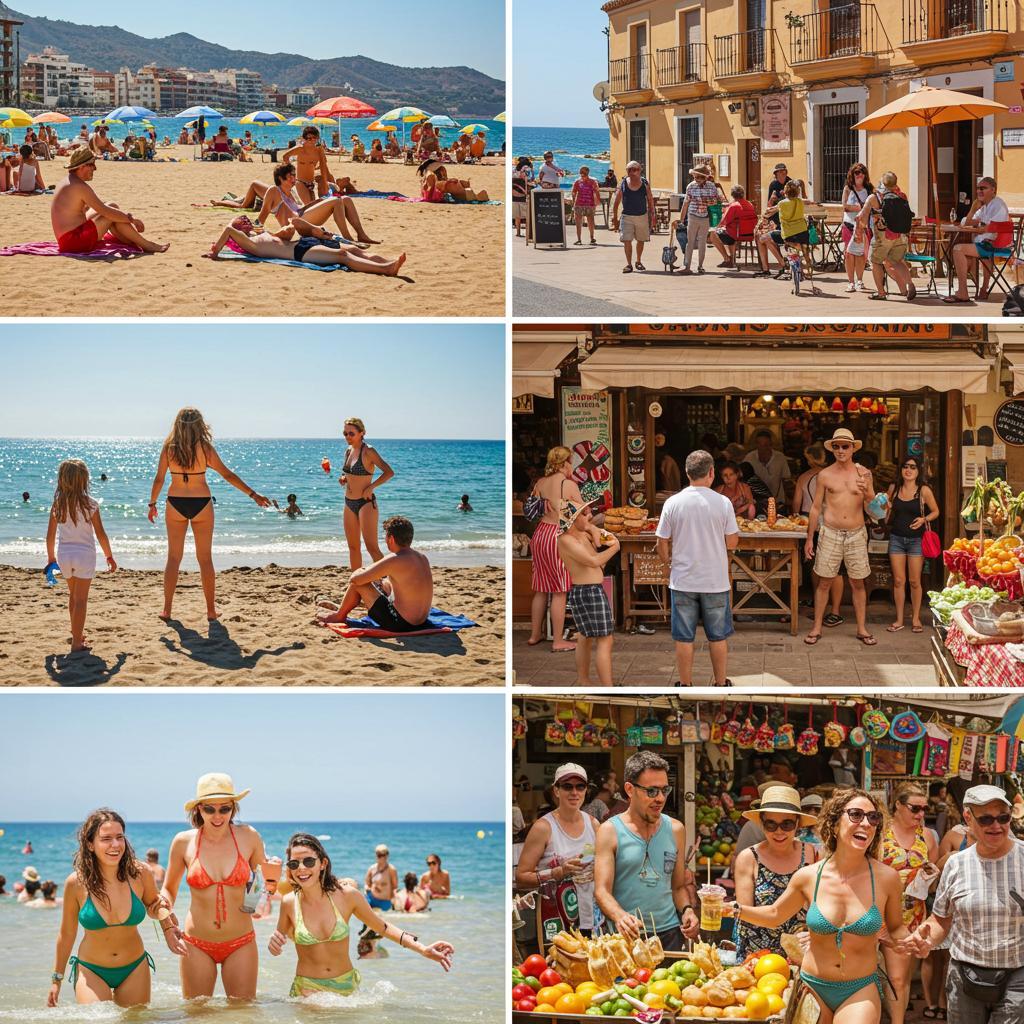
When traveling, knowing essential Spanish phrases can make a significant difference in your experience. These phrases help you navigate various situations, from dining to asking for directions.
To further enhance your Spanish learning journey, consider exploring resources like Hello to Spanish, which offers a variety of tools and courses to help you master the language.
What Are Useful Spanish Phrases for Tourists in Social and Travel Settings?
Here are some useful Spanish phrases for tourists:
- “¿Cuánto cuesta?” (How much does it cost?) – Essential for shopping.
- “Me gustaría una mesa para dos, por favor.” (I would like a table for two, please.) – Useful in restaurants.
- “¿Dónde puedo encontrar un taxi?” (Where can I find a taxi?) – Important for transportation.
These phrases can help you engage with locals and enhance your travel experience.
How Can You Practice Easy Spanish Questions and Answers for Travel?
Practicing easy Spanish questions and answers can be done through various interactive methods. Role-playing scenarios with a partner or using language apps can simulate real-life situations. Engaging with locals, even in simple exchanges, can also boost your confidence and fluency. The more you practice, the more comfortable you will become in using these phrases.
How Can You Build Confidence Using Spanish Small Talk Examples?
Building confidence in speaking Spanish often starts with mastering small talk. Small talk is crucial for establishing rapport and making connections with others.
What Are Effective Spanish Small Talk Questions to Start Conversations?
Here are some effective Spanish small talk questions:
- “¿De dónde eres?” (Where are you from?) – A great way to learn about someone’s background.
- “¿Qué te gusta hacer en tu tiempo libre?” (What do you like to do in your free time?) – Opens up discussions about hobbies.
- “¿Has probado la comida local?” (Have you tried the local food?) – Encourages sharing experiences.
These questions can help initiate conversations and make interactions more engaging.
Which Confidence-Building Tips Help Beginners Speak Spanish Fluently?
To build confidence in speaking Spanish, consider the following tips:
- Practice Regularly: Consistency is key. Set aside time each day to practice speaking.
- Join Conversation Groups: Engaging with others in a supportive environment can enhance your skills.
- Embrace Mistakes: Understand that making mistakes is part of the learning process. Use them as opportunities to improve.
These strategies can help you overcome anxiety and become more fluent in Spanish.
Indeed, studies confirm that structured learning environments, including blended online approaches, significantly boost students’ confidence and proficiency in Spanish communication.
How Do You Enroll in Interactive Online Spanish Conversation Courses?
Enrolling in interactive online Spanish conversation courses can provide structured learning and personalized support. These courses often focus on practical conversation skills, making them ideal for beginners.
For those looking to start their Spanish learning journey, Hello to Spanish offers a range of resources and courses tailored to beginners.
What Are the Benefits of Free Taster Classes for Spanish Beginners?
Free taster classes offer several advantages for Spanish beginners:
- No Commitment: You can explore the course without any financial obligation.
- Experience Teaching Style: It allows you to assess the instructor’s approach and see if it suits your learning style.
- Meet Other Learners: Connecting with fellow students can enhance your motivation and provide a sense of community.
These benefits make free taster classes an excellent starting point for anyone interested in learning Spanish.
How Does Personalized Teaching Support Older Learners in Spanish?
Personalized teaching methods can significantly benefit older learners in Spanish. Tailored approaches consider individual learning styles and pace, making the experience more enjoyable. Instructors can build rapport with students, providing encouragement and support that fosters a positive learning environment. This personalized attention can help older learners feel more confident and engaged in their language journey.